Is IPTV Legal in USA? Complete Legal Guide 2026

Introduction
As millions of Americans shift away from traditional cable, one persistent question echoes across online forums: "Is IPTV legal USA?" The short answer is yes—the technology itself is completely legal. However, the IPTV legality USA framework depends entirely on how the content is sourced and distributed by the provider.
In 2026, understanding the difference between licensed corporate platforms and shady offshore operations is crucial. This complete legal guide will help you navigate legal IPTV services USA and stay compliant with FCC regulations while enjoying premium entertainment.
Understanding IPTV and US Law
IPTV (Internet Protocol Television) is merely a delivery mechanism. Much like an HTTP website or an email, sending video packets over the internet is a standard, legal technology. Major US corporations like AT&T, Verizon, and Hulu utilize IPTV infrastructure daily. The legal issues only arise concerning copyright infringement and distribution rights.
The Legality Checklist
The Technology is Legal
Streaming video via IP packets is 100% legal under US federal law.
The Source Matters
If a provider does not pay for broadcasting rights, distributing that content is illegal.
User Responsibility
Consumers must exercise due diligence to utilize services that respect content licensing.
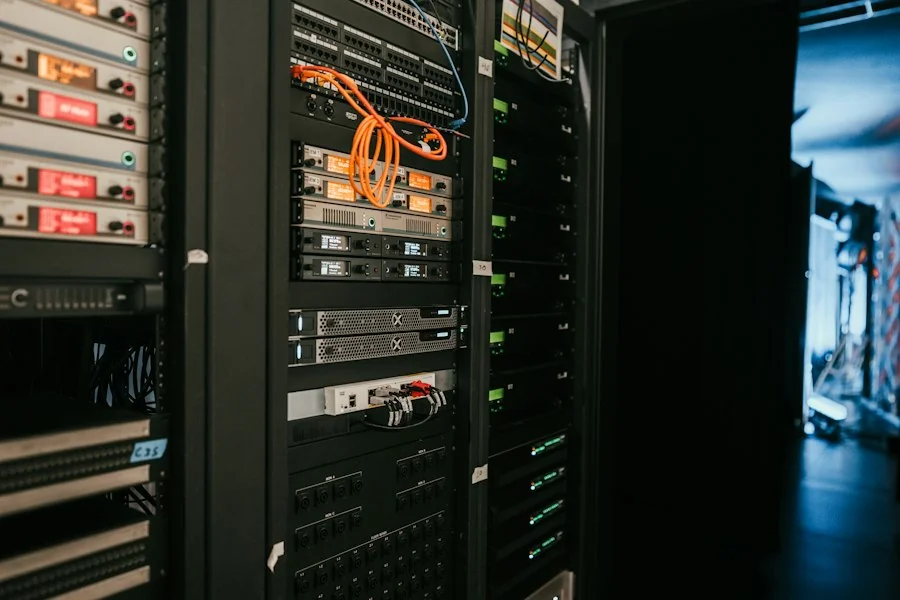
Legal IPTV Services in USA
Legal IPTV services USA are platforms that have negotiated contracts with content creators, sports leagues, and broadcasting networks. These companies pay licensing fees, which is why their monthly subscriptions are often higher. Examples of mainstream legal services include YouTube TV, Sling TV, FuboTV, and DirecTV Stream.
Illegal IPTV Services: What to Avoid
Conversely, unlicensed IPTV providers scrape broadcasting feeds, decode them, and redistribute them for a massive profit without paying the original creators. Engaging with these platforms carries risks:
- Copyright Infringement Risks: While end-users are rarely prosecuted in the US (authorities target the distributors), ISPs can issue DMCA notices.
- Data Security: Unregulated apps may contain malware, spyware, or harvest your billing data.
- Unreliable Service: Illegal streams are constantly shut down by US authorities, leading to buffering, missing channels, and lost subscription money.
Licensed IPTV Providers in USA
If you want to stay 100% within the clear bounds of US copyright law in 2026, you should utilize mainstream licensed platforms. However, many premium private IPTV services operate in a legal gray area—they operate offshore but provide unparalleled access to global content. If you choose to explore private services, user discretion and privacy protection are paramount.

How to Stay Safe with IPTV
If you are exploring the vast IPTV market, follow these best practices for safety and privacy:
- Always Use a Reputable VPN: A Virtual Private Network encrypts your traffic. Major US ISPs like Comcast and Spectrum actively throttle video streams; a VPN masks your activity, ensuring smooth playback and maximum privacy.
- Use Secure Payment Methods: Avoid giving your direct credit card number to unverified private platforms. Use crypto, PayPal, or virtual disposable cards.
- Review App Permissions: If an IPTV player app asks for access to your contacts or location, deny it immediately.
FAQ
Conclusion
To answer the question, is IPTV legal USA?—the technology is perfectly legal. The legality lies entirely in the licensing of the content being streamed. As a consumer in 2026, prioritizing security via VPNs and choosing reliable, highly-reviewed providers will ensure a seamless and safe entertainment experience.
Have Questions About Safe Streaming?
Our experts can guide you toward the most reliable and secure streaming setups for the US market.