IPTV: Complete Guide to Internet Protocol Television in USA 2026
Streaming Expert Team
Published: March 25, 2026
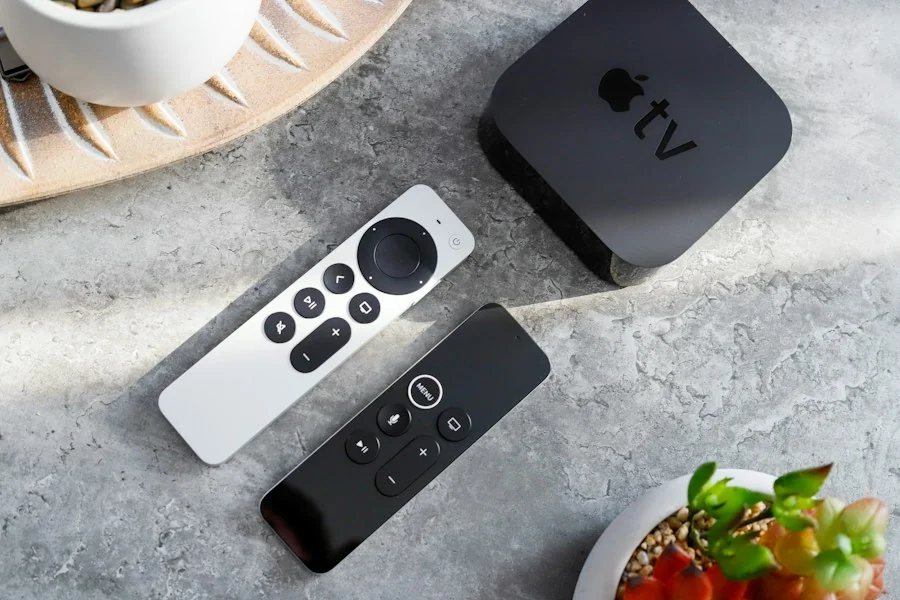
The streaming revolution has fully matured in North America. In 2026, IPTV USA adoption has officially surpassed traditional cable and satellite subscriptions. Empowered by the nation's expanding gigabit fiber optic infrastructure and pervasive 5G networks, residents from New York to Los Angeles demand uncompromising 4K and 8K entertainment without the bloated cable bills.
But diving into this ecosystem requires up-to-date knowledge. What defines a premium American service in 2026? Which applications handle next-gen codecs best? This comprehensive article serves as your ultimate guide to mastering internet television in the United States today.
What is IPTV in 2026? (Understanding the Basics)
Definition of IPTV
What is IPTV? It stands for Internet Protocol Television. In 2026, this means utilizing high-efficiency AV1 streaming to deliver live broadcasts and on-demand video over your broadband connection, replacing the outdated "push" signals of legacy Comcast or DirecTV cable boxes.
How IPTV Works
When you select a channel, your smart device communicates with edge-servers located near your US city. The stream is delivered via packets optimized by AI routing, ensuring instant channel zapping and zero buffering, even during heavy traffic periods like the Super Bowl or NBA Finals.
IPTV vs US Cable TV
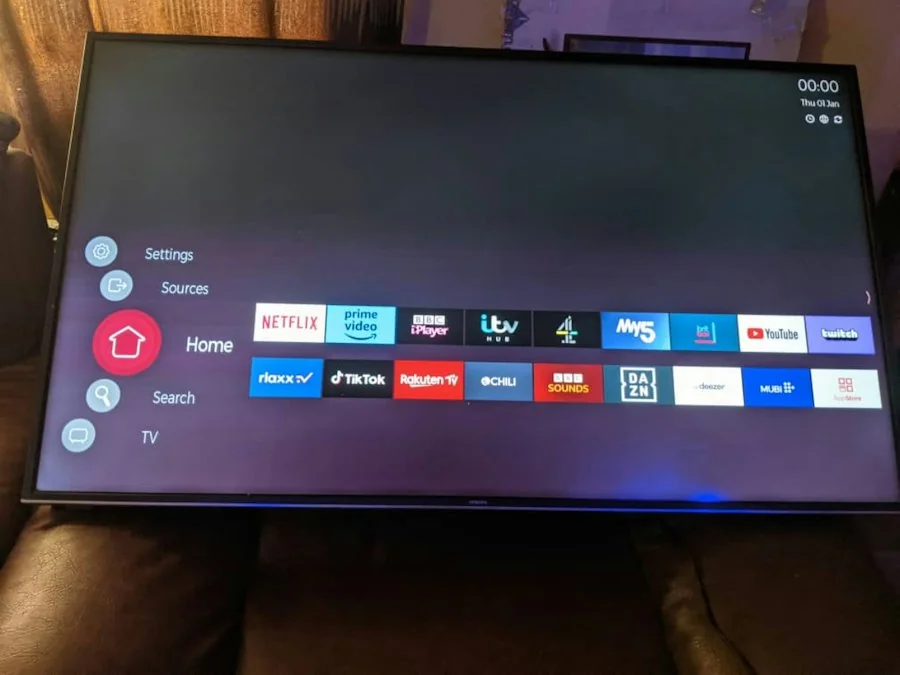
An iptv service radically outperforms legacy US providers. Traditional TV forces restrictive channel packages, blackouts, and limits you to hardware boxes. Modern IPTV gives you total freedom—watch on any device, scale up to 8K resolutions, and utilize massive cloud DVR functionalities at a fraction of the monthly USD cost.
Benefits of IPTV for American Viewers
Unmatched Flexibility
Whether commuting on the subway or relaxing at your cabin, 2026 streaming apps allow you to pick up right where you left off. Multi-device sync across iPhones, Androids, and iPads, alongside offline downloads, have become baseline expectations.
Cost-Effective Mastery
American households save hundreds, if not thousands of dollars annually by shifting away from predatory cable contracts. There are no dish installations, hardware rentals, or hidden technician fees.
4K & 8K Streaming Quality
America's digital backbone is built for heavy bandwidth. Premium providers offer flawless 4K HDR streams as a standard, with dedicated 8K channels rapidly rolling out for cinematic and sporting content.
Global & Local US Content
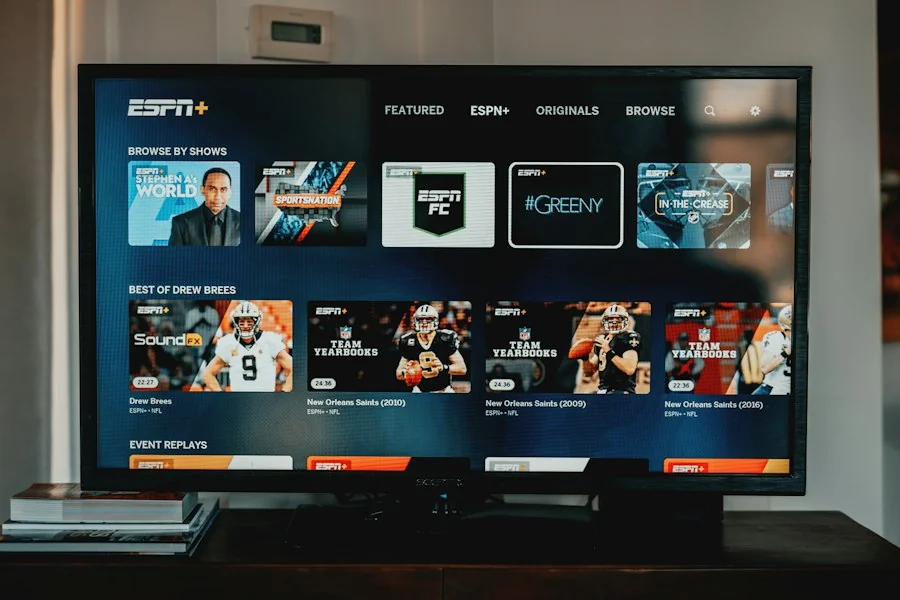
Enjoy unparalleled access to over 50,000 networks globally, maintaining crucial access to ABC, NBC, CBS, Fox, premium movie channels, and comprehensive NFL, NBA, MLB, and NHL coverage alongside massive international libraries.
2026 IPTV Services Explained
Choosing the Right USA IPTV Service
Selecting an iptv service requires vigilance. Prioritize providers featuring native Wi-Fi 7 optimizations, robust anti-throttling server tech, and AI-categorized VOD libraries. Test streaming quality during a trial, and verify independent 2026 US reviews.
IPTV Players and Applications
IPTV Smarters Pro - The 2026 Standard
IPTV Smarters Pro has integrated massive AI quality-of-life updates, making it the supreme choice in the USA. It easily handles Xtream Codes APIs, M3U playlists, and offers PiP (Picture-in-Picture) features critical for multi-sport viewing on NFL Sundays.
IPTV Encoders in 2026
What is an IPTV Encoder?
For content creators, an iptv encoder transforms HDMI/SDI video into IP streams using cutting-edge codecs. In 2026, AV1 and VVC hardware encoders dominate the space, vastly outperforming older H.264 technology in both latency and visual fidelity.
Setup Guide for US Homes
2026 System Requirements
- Internet Speed: 50 Mbps min for 4K; 100+ Mbps for 8K (Xfinity, Fios, Spectrum, AT&T).
- Device: Smart TV (2020+), modern Android/iOS device, Apple TV 4K, or a Wi-Fi 7 capable Amazon Firestick.
Conclusion
Transitioning to a premium 2026 IPTV setup is the definitive upgrade for any American household. Embrace the future of high-speed, high-resolution streaming, and permanently discard restrictive cable contracts.